The CrossFit and Paleo Diet Link
CrossFit is an intense strength and conditioning program that is used to train elite military units, athletes, martial artists, and homemakers alike. Using the same program, regardless of experience or build, CrossFitters train their bodies simply by changing intensity and weight-bearing loads. Mixing many different workout genres, including gymnastics, weightlifting, running, etc. into one full-body workout, the CrossFit regime has developed a large fan base. The program has gained popularity in recent years and over time, has adopted the Paleolithic diet as its official diet in the hopes of promoting optimal health and physical fitness.
CrossFit was designed specifically to “enhance an individual’s competency at all physical tasks,” according to the CrossFit Foundations, a document that lays out the basis of CrossFit. The program is centered on the Workout of the Day, a daily workout uploaded onto the CrossFit website as a challenge to CrossFitters that are working out at home or enrolled in a CrossFit gym. Workouts are short and intense and mix together cardiovascular elements such as sprinting, swimming, and biking with major lifts, like squats, presses, and dead lifts with gymnastics movements such as pull ups and handstands. Workouts, according to Greg Glassman, founder of crossfit, should be creative and not routine.
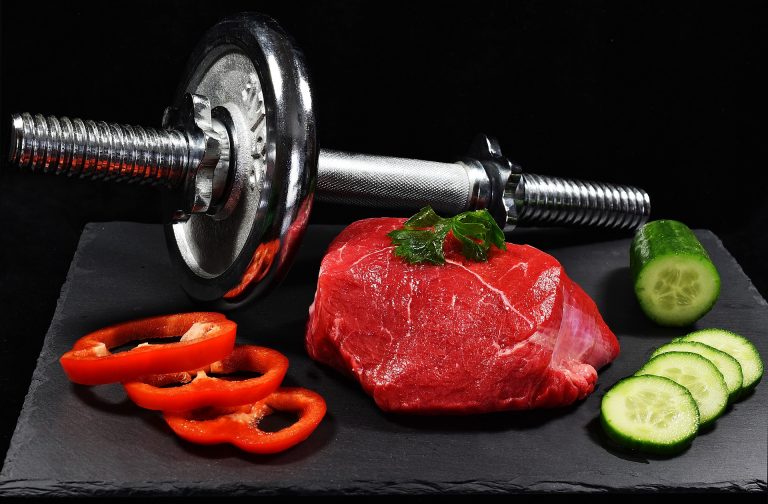
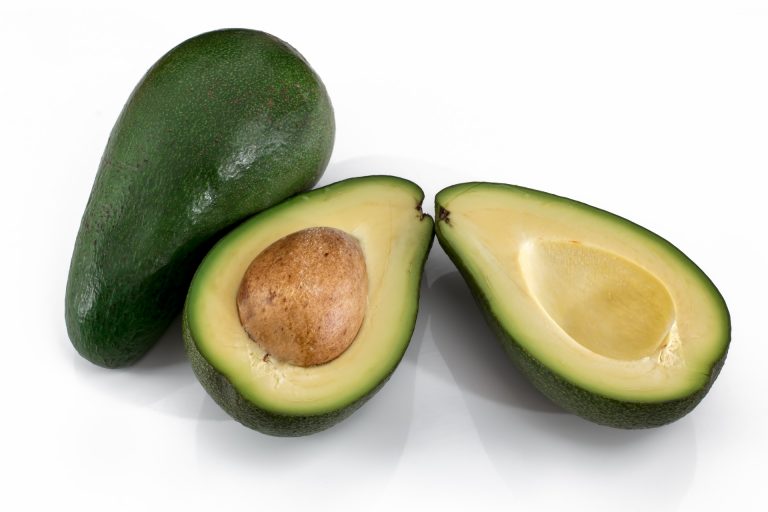
The Foundations document articulates the optimal diet to eat while engaging in these rigorous fitness regimens. To put it simply, the document encourages CrossFitters to eat mostly greens, lean meats, nuts, and seeds, while limiting fruit. Included in the Foundations is a short description of the Paleolithic model of nutrition, in which Glassman encourages participants to research the paleo diet and adopt it.
Because the CrossFit program is designed to help participants gain maximum physical prowess and the ability to perform well at any given physical task, a diet that combines energy and glucose stability is essential. The paleo diet, made up of about 30 percent lean protein, 40 percent low-glycemic carbohydrates, and 30 percent healthy fats, give the power and endurance needed to make it through the intense physical workouts of CrossFit. Many paleo dieters who are involved in CrossFit find that the workouts are so demanding, their diets must be controlled for optimal physical strength.
According to Travis Schefcik, a CrossFit trainer, the paleo diet allows your body to recover from intense workouts more quickly while delivering sustained energy throughout the day. With increased energy comes increased physical performance, according to Schefcik, and the paleo diet has been chosen by CrossFit founder Greg Glassman and other CrossFit trainers specifically for its ability to enhance physical fitness.
Dieters may begin to notice the effects of the diet immediately, which in turn gives CrossFitters the most important tool needed to get through the day; increased self esteem. When participants first get the first taste of success during a physically demanding workout, their self-esteem flies through the roof. Ultimately, it is this emotional motivation that helps the CrossFitter perform the daily workouts and challenges posed by their trainers. Confidence will also come as the paleo diet, combined with the CrossFit fitness routine, helps drop surplus body fat and sculpt lean muscle.
With the advent of a challenge known as the Crossfit Games and droves of celebrity and average Joe participants, Crossfit is gaining recognition in the fitness world as a top tier workout program. That fact speaks volumes to the legitimacy of the paleo diet; the unofficial diet of Crossfitters around the world.